
Agile Development: The Key to Flexibility
Introduction
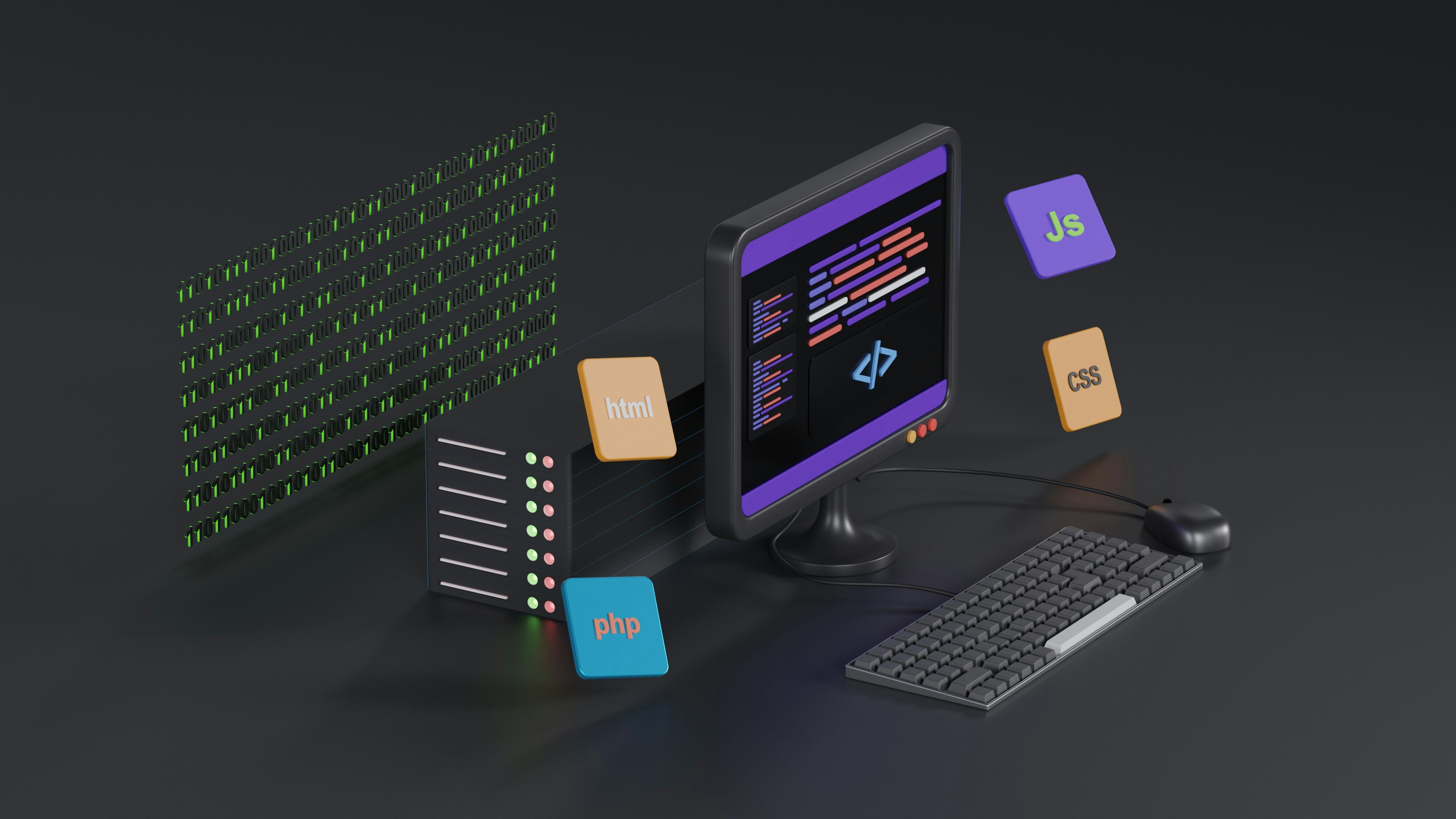
In today’s fast-changing digital landscape, businesses need development approaches that can adapt quickly to evolving requirements. Agile development has emerged as a flexible and collaborative methodology that enables teams to deliver value faster while responding effectively to change. By focusing on continuous improvement, customer feedback, and iterative delivery, agile has become a cornerstone of modern software development.
Understanding Agile Development
Agile development is an iterative approach that emphasizes adaptability, collaboration, and incremental progress. Instead of rigid long-term planning, agile promotes short development cycles that allow teams to adjust priorities based on real-time feedback and changing business needs.
Benefits of Agile Methodology
Agile enhances transparency, improves communication among teams, and reduces project risks. By delivering work in smaller increments, organizations can identify issues early, improve quality, and ensure that the final product aligns closely with user expectations.
Agile in Modern Project Management
Agile methodologies such as Scrum and Kanban are widely used to manage complex projects efficiently. These frameworks encourage teamwork, accountability, and continuous delivery, making agile an essential approach for modern software development.
Cybersecurity in the Age of Remote Work

Introduction
The rapid shift toward remote work has transformed how organizations operate, but it has also introduced new cybersecurity challenges. With employees accessing systems from multiple locations and devices, securing digital assets has become more complex than ever. Businesses must now rethink their security strategies to protect sensitive data in a distributed work environment.
New Security Challenges
Remote work increases exposure to cyber threats such as phishing attacks, unsecured networks, and compromised endpoints. Traditional perimeter-based security models are no longer sufficient to address these risks.
Strengthening Remote Security
Organizations must adopt modern cybersecurity practices, including secure access controls, endpoint protection, and continuous monitoring. Educating employees about security best practices also plays a critical role in minimizing vulnerabilities.
The Future of Cybersecurity
As remote and hybrid work models continue to evolve, cybersecurity will remain a top priority. Businesses that invest in proactive security strategies will be better positioned to protect their operations and maintain trust.
Sustainable Tech: Harnessing Renewable Energy
Introduction
Sustainability has become a key focus for the technology industry as organizations seek to reduce their environmental impact. By adopting renewable energy sources, tech companies are driving innovation while supporting global efforts to combat climate change.
The Shift Toward Green Technology
Leading technology companies are investing in solar, wind, and other renewable energy sources to power data centers and operations. This shift not only reduces carbon emissions but also promotes long-term energy efficiency.
Benefits of Renewable Energy in Tech
Using renewable energy helps organizations lower operational costs, improve brand reputation, and meet sustainability goals. It also supports innovation in energy-efficient infrastructure and systems.
A Sustainable Digital Future
As technology continues to grow, sustainable practices will play a crucial role in shaping the future of the industry. Renewable energy adoption is a significant step toward a greener and more responsible digital ecosystem.
5G's Arrival: Transforming Connectivity
Introduction
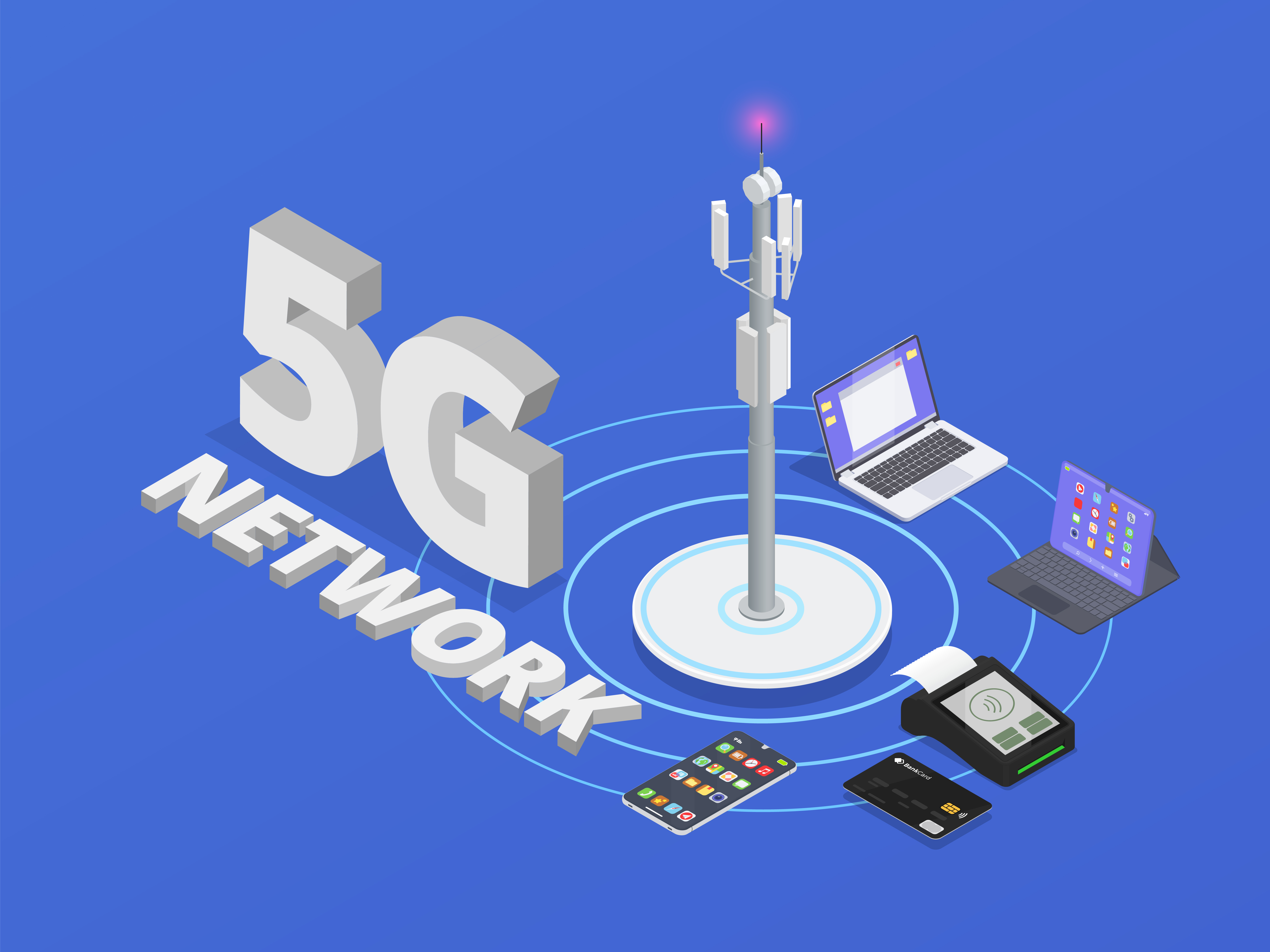
The rollout of 5G technology marks a major milestone in the evolution of connectivity. With faster speeds, lower latency, and improved reliability, 5G is set to transform how people and businesses communicate, work, and innovate.
What Makes 5G Different
Unlike previous generations, 5G enables real-time data transmission and supports a massive number of connected devices. This advancement opens new possibilities for smart cities, autonomous systems, and advanced communication networks.
Impact on Industries
5G is driving innovation across industries such as healthcare, manufacturing, and transportation. Businesses can leverage enhanced connectivity to improve efficiency, enable automation, and deliver better digital experiences.
The Road Ahead
As 5G adoption expands globally, it will continue to reshape digital infrastructure and create new opportunities for technological advancement.
AI-Powered Healthcare: Enhancing Diagnostics
Introduction
Artificial intelligence is revolutionizing healthcare by improving diagnostics, treatment planning, and patient outcomes. AI-driven solutions enable healthcare providers to analyze complex data with greater accuracy and speed.
AI in Medical Diagnostics
AI technologies assist in detecting diseases earlier and more accurately by analyzing medical images, patient data, and clinical patterns. This leads to faster diagnoses and more informed medical decisions.
Personalized Patient Care
AI enables personalized treatment plans by considering individual patient data, medical history, and predictive insights. This approach improves care quality and enhances patient experiences.
The Future of Healthcare Innovation
As AI continues to advance, it will play an increasingly important role in healthcare innovation, helping organizations deliver smarter, more efficient, and patient-centric care.
The Quantum Computing Race
Introduction
Quantum computing is emerging as one of the most transformative technologies of the future. By leveraging the principles of quantum mechanics, it has the potential to solve complex problems beyond the capabilities of traditional computers.
Understanding Quantum Computing
Unlike classical computers, quantum computers process information using quantum bits, enabling them to perform calculations at unprecedented speeds. This opens new possibilities in fields such as cryptography, research, and optimization.
Global Competition and Innovation
Technology leaders and research institutions worldwide are investing heavily in quantum computing. This competitive race is accelerating innovation and pushing the boundaries of what computing can achieve.
A New Computing Era
While still in its early stages, quantum computing is poised to redefine the technological landscape. Organizations that prepare for this shift will be better equipped for the next era of digital transformation.
The Best Accessories for your iPad

The Best Accessories for Your iPad, Mobile and Laptops
In today’s fast-paced digital environment, iPads, smartphones, and laptops are essential tools for business, education, and daily communication. However, the right accessories can significantly improve performance, productivity, and device longevity. With continuous advancements in technology, modern accessories are designed to be smarter, faster, and more efficient. Selecting high-quality, latest-technology accessories ensures maximum value and enhanced user experience.
AI Revolutionizing Healthcare
The Future of Diagnostics
Time is often critical in healthcare. AI accelerates diagnostics by automating data analysis and generating insights within minutes. Tasks that would traditionally take hours or days, such as reviewing thousands of imaging scans, can now be completed quickly and efficiently.
Sustainable Tech Progress

Eco-friendly Digital Infrastructure
As the world becomes increasingly digital, the environmental impact of data centers, cloud computing, and IT networks is growing. Eco-friendly digital infrastructure aims to reduce this impact by integrating sustainable practices and energy-efficient technologies across all levels of IT operations.
Remote Work Challenges
Technology and Connectivity
Remote work has become a standard part of the modern workplace, offering flexibility, cost savings, and access to a global talent pool. However, it also comes with unique challenges that can affect productivity, collaboration, and employee well-being.